Knowledge
Safety First: Does My Project Need a Safety Fence?

In industrial operations, few things are more important than ensuring workplace safety. One essential element in maintaining a secure environment is the implementation of safety fences. Safety fences are a physical safety barrier between workers and potential hazards, which is pivotal in preventing accidents and injuries. In industrial settings, where heavy machinery, automated systems, and high-traffic areas are common, these protective structures are often the first line of defense against workplace incidents.
But how do you determine if your project requires this vital protective measure? Let's explore the world of industrial safety and the importance of safety fences in various settings.
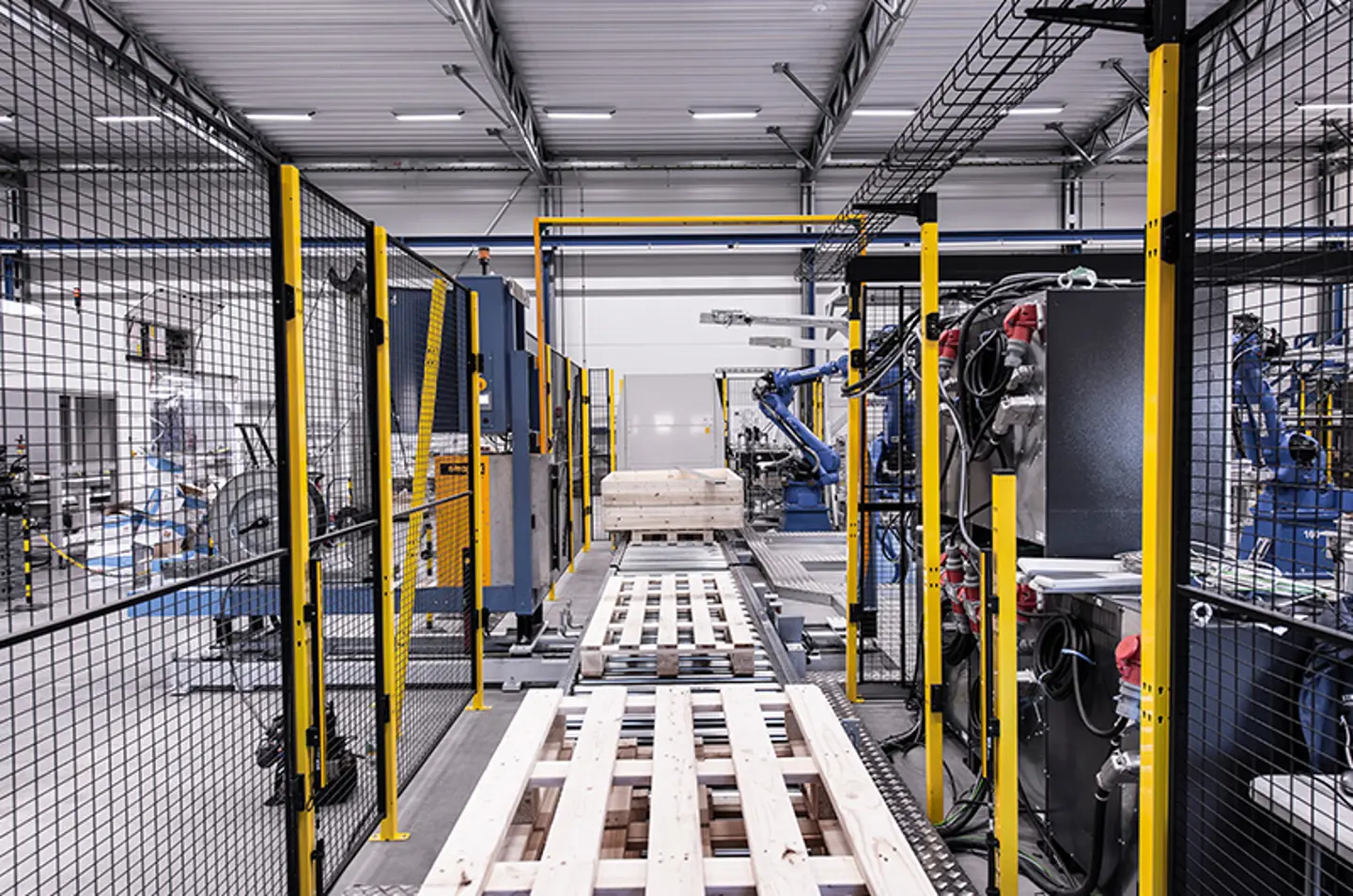
Identifying Projects That Typically Require Safety Fences
Safety fences are essential in a wide range of industrial settings, but certain types of projects and environments require them more than others. Understanding which scenarios typically call for safety fences can help you make informed decisions about your facility's safety requirements.
Here are some of the most common settings where safety fences maintain a secure work environment:
- Manufacturing Facilities: Manufacturing environments often involve complex machinery, conveyor systems, and robotic equipment. These settings frequently require safety fences to segregate dangerous areas and protect workers from moving parts, ejected materials, or other potential hazards.
- Warehouses and Distribution Centers: In warehouses and distribution centers, safety fences are crucial for separating pedestrian walkways from areas with forklift traffic or automated guided vehicles (AGVs). They also play a vital role in securing high-value inventory areas and hazardous material storage zones.
- Robotics and Automation Installations: As industrial automation continues to advance, the need for safety fences around robotic work cells becomes increasingly important. These barriers prevent unauthorized access to areas where robots operate, reducing the risk of accidents caused by unexpected machine movements.
- Material Handling Areas: Safety fences are often necessary in material handling areas to create designated zones for loading and unloading operations, as well as to protect workers from falling objects or moving equipment.
- Temporary Work Sites and Construction Sites: While many safety fence applications are permanent, there's a growing need for temporary fencing in construction safety fences. These short-term projects often require flexible, easy-to-install temporary construction fences safety fences. Temporary fences provide necessary protection during transitional periods, ensuring worker safety even in rapidly changing environments.
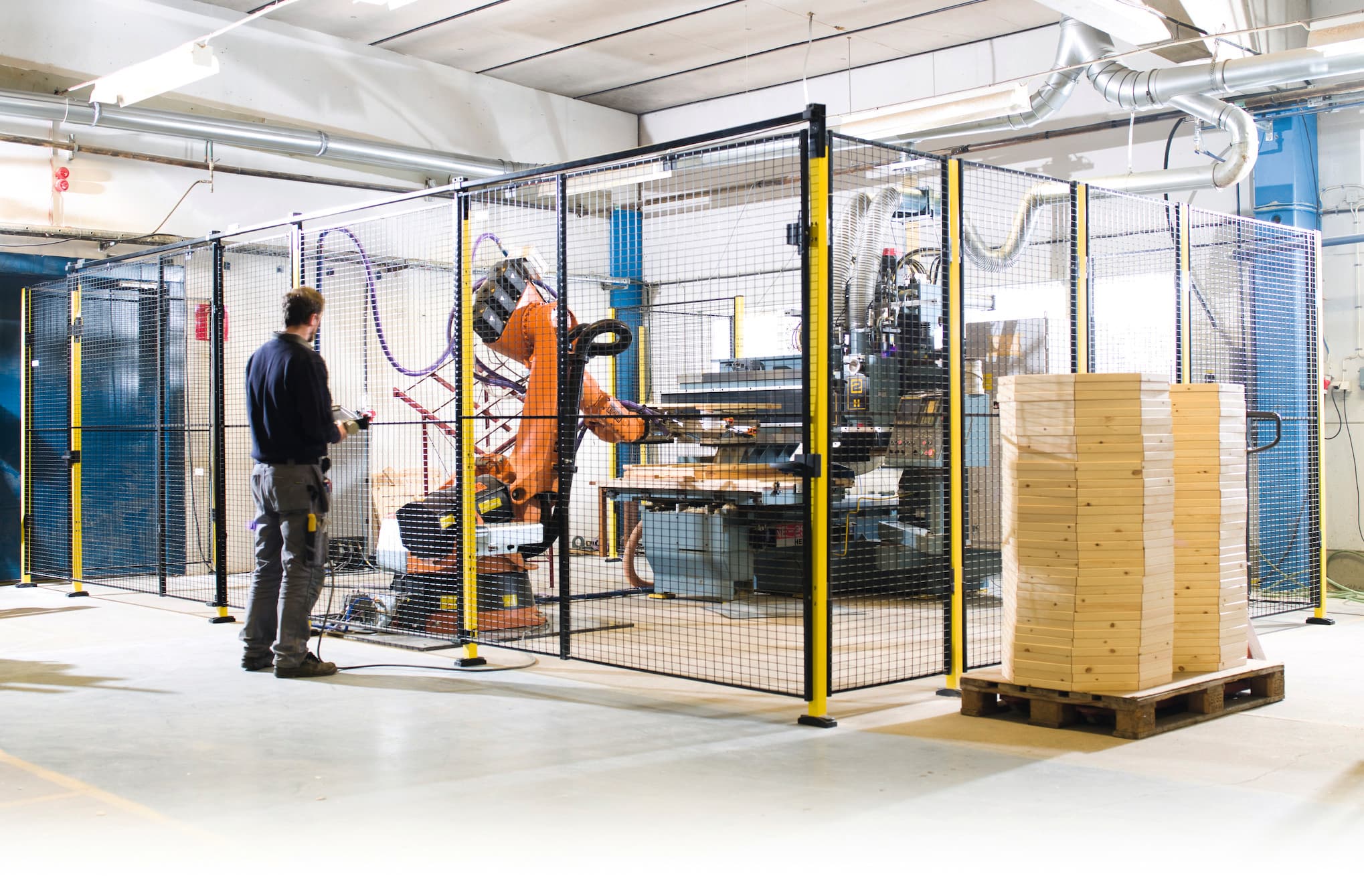
Key Factors in Selecting the Right Safety Fence
Choosing the appropriate safety fence for your industrial project is a critical decision that can impact workplace safety and operational efficiency. To ensure you select the most suitable option, it's essential to consider several key factors.
Here's a list of elements to evaluate when choosing a safety fence:
- Material and durability: Assess the fence's ability to withstand potential impacts and provide long-lasting protection in your specific industrial environment.
- Customization options: Look for fencing solutions that can be tailored to fit your unique space and safety requirements, ensuring optimal coverage and functionality.
- Modifiability: Evaluate the fence's adaptability to layout changes, which is particularly important in dynamic industrial settings where configurations may evolve over time.
- Compliance with regulations: Verify that the fence meets or exceeds relevant safety standards and OSHA requirements for your industry.
- Visibility: Consider the fence's design in terms of allowing clear sightlines where necessary while still providing adequate protection.
- Maintenance requirements: Assess the long-term care and upkeep needed to maintain the fence's effectiveness and appearance.
When it comes to workplace safety, it's always better to err on the side of caution. Investing in appropriate safety fences not only complies with regulations but also demonstrates a commitment to the well-being of your employees and the long-term success of your business.

The Axelent Difference
At Axelent, our commitment to speed, safety, service, and smart solutions sets us apart in the market. We pride ourselves on providing rapid quotes, custom engineering solutions, and a wide range of modular products that can be quickly installed and easily modified.
Our flagship product, the X-Guard machine guarding system, exemplifies our innovative approach to safety. X-Guard features a unique X-Key tool that enables quick and easy installation of safety fences, ensuring compliance with international safety standards while minimizing disruption to your operations. This system, along with our other safety solutions, demonstrates our dedication to creating safer, more efficient workplaces.
Choose Axelent, and experience the difference that Swedish engineering, global expertise, and a passion for safety can make in your industrial safety solutions.
Frequently Asked Questions
Related articles

OSHA Guardrail Requirements: Workplace Safety Standards
Workplace falls are a leading cause of fatalities in construction and industrial settings. OSHA's guardrail requirements address these hazards through specific standards that dictate height, strength, materials, and installation methods for fall protection systems.

Pallet Racking Protection: Prevent forklift damage to uprights and aisle ends
Every forklift impact against a rack upright creates damage that spreads beyond the point of contact. One bent upright lead to inspections, repairs, downtime and reduced load-bearing integrity. Repeated impacts shorten the lifespan of the entire racking system. Pallet racking protection reduces that risk by protecting the areas where collisions happen most often: uprights, aisle ends and exposed traffic zones.

Warehouse Barrier Systems: Choose the Right Protection for Every Zone
Every unprotected zone in a warehouse is a problem that hasn't happened yet. This guide helps you choose the right barrier system for each area in your facility, from high-traffic forklift routes to loading docks and pedestrian crossings.

Axelent and ABB: A partner every step of the way
When ABB Robotics remodeled its Auburn Hills training facility, they faced a unique challenge, keeping students and employees safe while maintaining an open fork truck path through the training lab. Together with Axelent, they implemented safety solutions combining machine guarding, Pedestrian Barriers and wheeled gates and fencing to allow machine access.

How to Install Safety Fence: Warehouse Machine Guarding Solutions
Warehouse safety remains a top priority for managers, safety officers, and business owners.

OSHA Construction Safety Standards
The Occupational Safety and Health Administration (OSHA) plays a central role in setting and enforcing construction safety standards across the United States.